- Verify spare electrical capacity at the exact site.
- Read seasonal and curtailment terms in power contracts.
- Include transmission, access and cooling in site comparisons.
Energy source is only one part of site quality
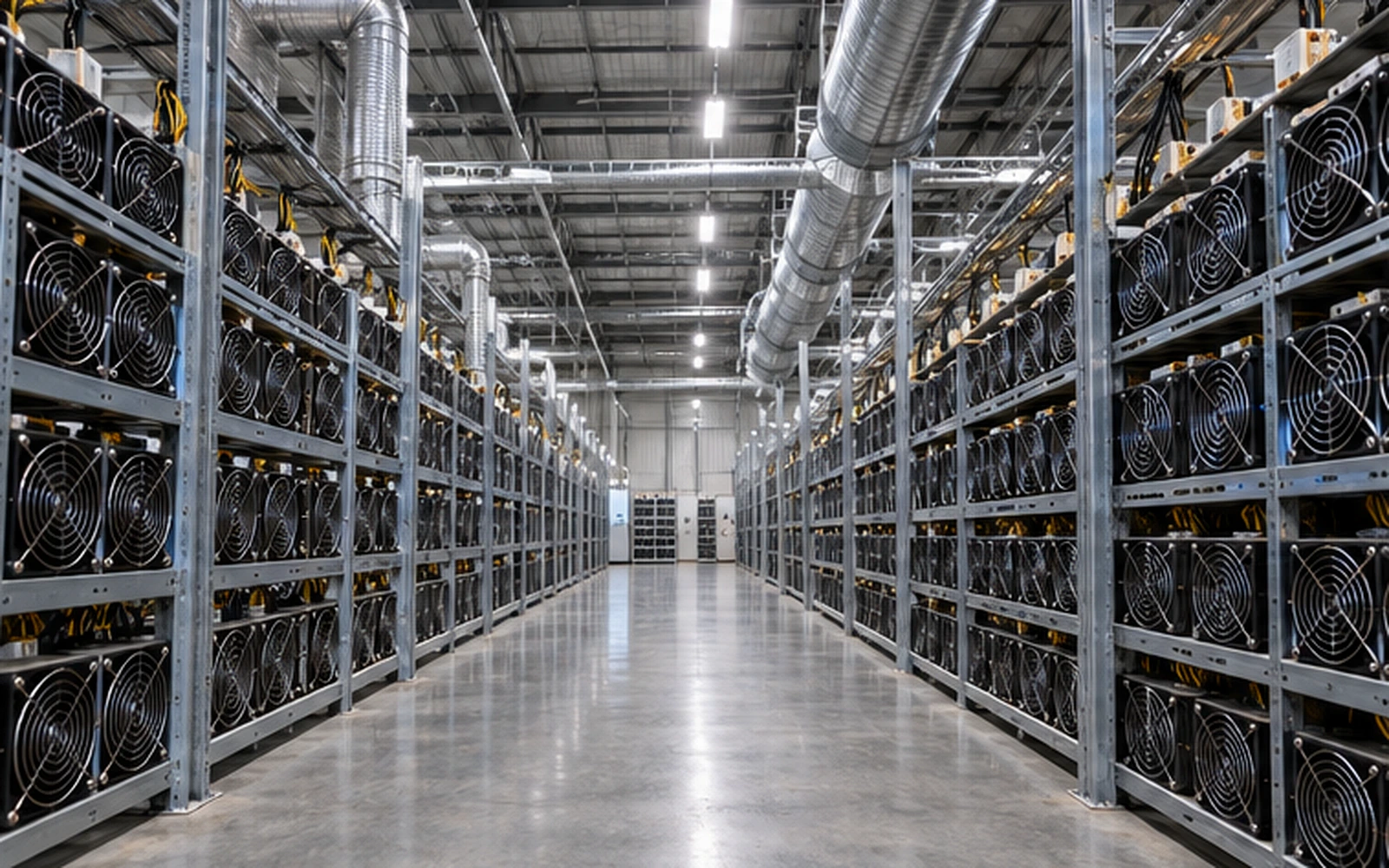
Hydroelectric regions can offer attractive power characteristics, but a mine still needs adequate transmission capacity, switchgear, internet connectivity, physical access and a workable cooling plan.
A cheap generation source does not automatically mean spare capacity is available at the exact site where miners are installed.
Seasonality can matter
Hydroelectric output can vary with hydrology, reservoir management and local demand. Contracts may also include curtailment or seasonal pricing provisions.
Operators should understand whether the quoted rate is firm, interruptible or tied to specific consumption windows.
Cool climates help, but airflow still needs engineering
Lower outdoor temperatures can reduce cooling effort, yet snow, moisture, icing and very cold intake air introduce their own operational issues. Filters and louvers must remain accessible during winter conditions.
Cold air is an advantage only when the facility can deliver it evenly to equipment without condensation or localized stress.
Model the entire site
Compare candidate sites using total delivered power cost, required upgrades, curtailment risk, logistics and staffing—not just the utility rate.
The best mining location is usually the one with reliable infrastructure and manageable constraints, not simply the lowest advertised cents per kilowatt-hour.
Bottom line
Hydropower can offer stable energy, but site access, grid rules, seasonal water conditions and transmission still shape a mining project. Use the principles above as a repeatable operating framework, then validate decisions with current power pricing, network conditions, equipment data and local electrical requirements.